
The Winner Without Love
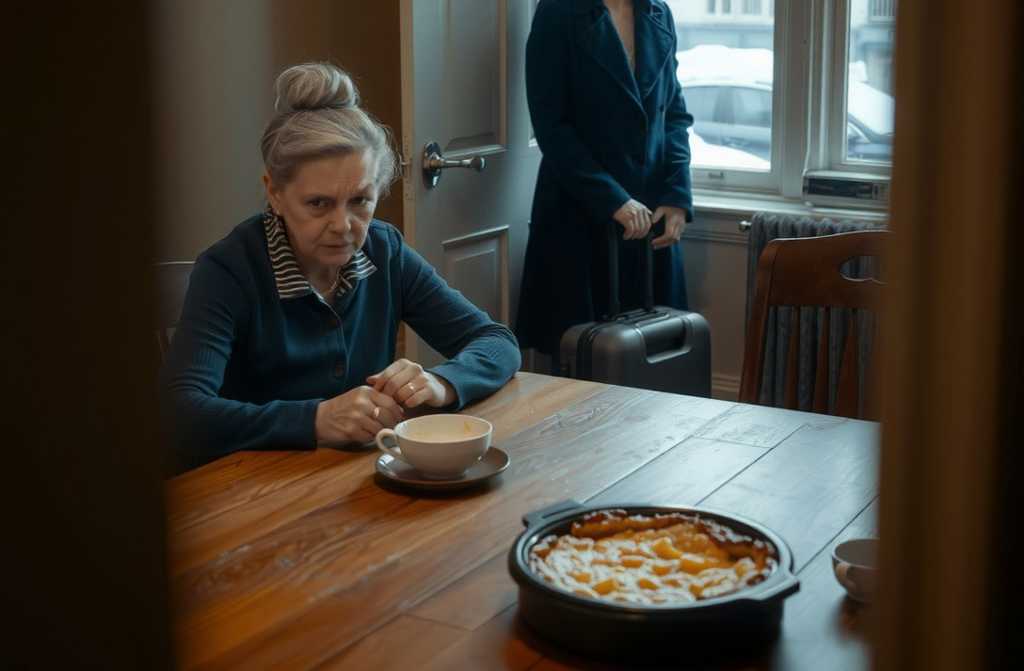
Well, Sam, thats that, said Margaret Anderson, setting her teacup onto the saucer with a soft clink she found almost ceremonial. Now we can move on.
Mom, you make it sound like you just won a chess tournament, her son replied.
And havent I?
Sam stared out the window. March in Chicago looked gray and damp, like an old dish towel. Margaret tried to follow his gaze, but nothing outside really caught her eye.
Sam, I asked youisnt that right?
She just left, Mom. With one suitcase. Whats there to celebrate?
To celebrate the fact she leftwith just that suitcase. Came with nothing, left with nothing. Thats fair, as far as Im concerned.
He finally turned to her. Margaret expected anger, bitterness, or at the very least exhaustion in his eyes. There was something there, but she couldnt make sense of it, and figured maybe she didnt really want to.
Anna put a lot of her money into this apartment, he said quietly. Her own money.
The place is in my name, Margaret replied. I gifted it to you. Not her.
I know how its titled.
Then what are we talking about?
He stood up, grabbing his jacket off the coat rack. She noticed he hadnt touched the apple cobbler shed baked that morning for the occasion. Half of it still sat untouched on the table.
Im going out, he said.
To where?
Somewhere. Anywhere.
The door closed quietly. Not a single slamthe way hed managed for his entire life, as if he was always careful never to make noise. Margaret looked at the apple cobbler, then took a fork and finished Sams piece. The apples were a little tartjust the right kind of tart. Tasted like home.
Margaret sat in the same kitchen shed lived in for thirty-seven years, thinking that now things might finally be alright.
She was sixty-two then, a small, tidy woman with gray hair always fastened into a neat bun. She had a solid pension, considered pretty good money for Chicago, owing to her forty years as an accountant. Money was her strong suit. When Sam brought Anna home five years ago, Margaret had looked at her soon-to-be daughter-in-law and immediately sensed calculation.
Anna was from a small town in Indiana, just a couple hours drive. Shed come to study, landed a job, and rented a room in a project firms dorm. Shed seemed simple, modest, always looking a little to the side when she spoke. Margaret had always read people wellAnna, she read within their first dinner together: the girl had an eye for the apartment.
Sam told another story: that he was in love. In truth, he talked little, and what he did say, Margaret filtered, always arriving at her own correct conclusionswhich, coincidentally, matched perfectly with her own thoughts.
For three years they lived in the apartment Margaret had legally placed in her sons name as a gift when he turned twenty-eighther lawyer friend had suggested it since, in case of divorce, such property couldnt be split if the spouse didnt buy into it. Margaret hadnt been thinking about divorce then, just cautionshe always thought ahead.
Anna hung new curtains. Margaret found it presumptuous. Anna replaced the dinnerware set. Margaret considered the old one better. Anna cooked dinner twice a week, inviting Margaret, who always came, ate, thanked her politely, and left feeling something wasnt quite right.
Later, Anna redid the kitchen with her own money, making sure to mention it to Sambut not to Margaret. It was only after the new white cabinets and pinstripe wallpaper were up that Margaret heard. She pursed her lips as she looked around.
Mrs. Anderson, dont you like it? Anna asked directly. Direct questions werent Margarets strong suit.
Oh, sweetie, its lovely, Margaret replied.
She said lovely with a tone that made it sound almost like awfuland both women understood. Anna said nothing. And where Margaret expected a fight that might justify her righteous anger, Anna opted for silence.
They divorced in their fourth year together. Many little reasons, none of them the real onethe real one was that every reason was only a part. Sam drifted away, further each time. Anna tried to talk, to explain, to ask for understanding. Hed nod and go turn on the TV. On the phone, he told his mother how bad things were. And when the time came, Margaret told him straight upshe could be blunt when it served her:
Sam, this isnt how people should live. For either of you.
Maybe itll work out.
Nothings going to work out. Except things getting worse.
There were lawyers, papers, and eventually, this kitchen table meeting, the half-eaten apple cobbler, and march painting the view gray. Anna left with only her gray suitcase. Margaret watched her out the window as Anna wheeled it toward a cabno looking back.
At that moment, Margaret thought, There goes the loser. And she felt lighter than she had in years, like a fever just breaking.
Samuel Anderson was thirty-four and worked as an engineer at a construction company. He made decent money, never brought up finances unless pressed. Margarets pride in him mixed with possessiveness and something else unnamed. Shed raised him alone after her husband walked out when Sam was eight. From then, it had been the two of them, and that framework always seemed right to her.
By nineteen, Margaret realized Sam was good at being alonenot in a healthy way, but in the way of someone who didnt know how to fight for himself, how to demand, or even how to get mad out loud. He only agreed or clammed up. Margaret chalked it up to good manners, and let it be.
After the divorce, he lived solo for a month and then called.
I met Emily.
Whered you meet her?
At workcompany event.
So, whos Emily?
Nice woman. Want to meet her?
Margaret went. The meeting was at a café, not at homeshe registered that as a sign but could make nothing of it. Emily turned out to be seven years younger than Samtwenty-seven, employed at an advertising agency, dressed sharp, and confident in what she wanted from the waiter, the menu, and, apparently, life itself.
Mrs. Anderson, she said, confidently reaching across the table to shake Margarets hand, Sam told me a lot about you.
All good, I hope? Margaret said, using her most polite smile.
A bit of everything, Emily answered, opening the menu.
Something sharp jabbed under Margarets ribs, which she excused on a draft from the front door.
Emily was beautifulbut not like Anna, who was quietly, apologetically so. Emilys beauty was open, bold, the type belonging to women who know it. Dark hair, sharp black eyes, lipstick always exactly in place. She too could keep a silence, but unlike Annas patient silences, Emilys were measuring.
Four months later, they married. Margaret found out by phone Wednesday night, after the news.
Were married now, Sam said. Today.
Today?
Yeah. We didnt want the fussdont be upset.
Im not. Congratulations.
She hung up and sat for ten minutes in silence before watering the plants and heading to bed. In the morning, everything seemed normal.
Emily moved in a week laterplenty of belongings for someone so compact. Boxes filled the hallway. Margaret dropped by the next day, finding Annas curtains taken down and new, dark green, heavy drapes in their place, making the living room look like a law office.
Emily, where are the ones from before?
Thrown out, came the reply from the kitchen.
But they were almost new.
They werent my taste.
Nothing more to discuss after that. For the first time, Margaret didnt say a single thing, not even internally.
She visited often at first. Emily never told her to leavebut managed to make every visit uncomfortable, turning her into an unwelcome guest in the home Margaret herself had given her son. Sam got even quieter when his wife was present, offering tea, cookies, anything, always glancing at Emily with a nervous caution Margaret recognized but never labeled as fear.
In October, Emily changed the locks. Just because. Sam called her.
Mom, we changed the locks. Next time, call first so I can let you in.
Why?
Emily feels its safer that way.
Safer from what?
A long, awkward pauseMargaret heard more in that pause than any words could say.
Mom, its just the way things are now, he finally said.
For twenty years, shed carried the key to that placeat first as the owner, then as the mother, always welcome. That night, she took the key off her chain and tucked it away in a drawer. Its still there.
Christmas Eve dinner had always been at Margarets housetwenty years of tradition: salads, fried fish, the tree in the corner, the way her mother always did it. But in November, Sam relayed a message from Emily:
Were spending Christmas at her parents place. In New York.
In New York?
Well, yeah. Her whole family is there.
And me?
Mom, you know its hard to be everywhere at once.
Margaret spent Christmas Eve alone. She set the table for one, popped open some sparkling wine before midnight, watched the televised ball drop, toasted with the screen, put the dishes away, and went to bed a little after midnightwhat else was there to do?
The next morning, she called Sam to wish them a happy holiday. He answered on the third ring, sleepy and content.
Merry Christmas, Mom.
Merry Christmas, Sam. How is it over there?
Fun. It was a good night. Mom, Ill call you back later, okay? Emilys still asleep.
Of course, darling.
She said of course in a tone that sounded more like never, but hed already hung up.
In February, for the first time ever, Emily came to see Margaret on her own. No call, just showed up around lunchtime, dressed up, high heels, polished. Margaret opened the door, a little lost.
Come in, she offered. Tea?
Id love some.
They sat in Margarets small kitchen. Emily looked around, the way someone might assess a space theyre thinking of remodeling. Margaret poured the tea, sliced lemon.
Mrs. Anderson, I want to be direct.
By all means.
Sam calls you every day.
Hes my son.
I understand, but every single day? For over an hour? It impacts our eveningsit impacts us. I just think it could be less frequent.
Margarets hands didnt shake as she poured the water. She made sure of it.
Emily, she replied slowly, Sam is an adult. He decides who and when to call.
Of course, he does. But an adult puts his primary family first.
Im family too.
Youre his mother. Thats different.
They looked across the table at each other, tea cooling. Margaret thought that if this had been Anna, shed have looked away by now. Emily didnt.
I understand you, Margaret said.
Thank you, Emily said, drinking her tea as if theyd just discussed the weather.
After Emily left, Margaret stood at her window for a long time. Outside, the snowbank by the curb was melting, reflecting a gray sky. She thought of Anna. Anna, who never just showed up and talked like thatsometimes saying or doing the wrong thing, but never cold and straight as a gust through an old window.
She pushed that thought into the farthest corner of her mind.
Sams calls became less frequentevery other day, then every third. Margaret noticed, but said nothing. She called less, too, sensing him keeping it shortMom, we have company, Mom, were heading outand, in the background, Emilys clipped voice, efficient as a radio announcer.
Emily succeeded in advertising, made good money, bought household gadgets and clothes, flew to other cities for work. She acted, and her action hemmed Sam in tighter every year.
In spring, Margaret dropped by unannounced. The look on Sams face at the door said it all.
Mom, you know its best to call first.
I was in the neighborhood.
The neighborhood?
Sam, I live ten minutes away.
Emilys working from home right now. She cant be disturbed.
Im not here for Emily. Im here for you.
He let her in. They sat in the kitchen. Emily didnt leave her office. After half an hour, Margaret thanked her son and left. Standing in the hallway afterward, she realized it was the last time shed come unannounced. Not because Sam asked her to, but because she couldnt face that look again.
Summer passed quietly. She went out to her little garden, grew tomatoes and cucumbers, took the neighbors grandkids to Lake Michigan for a few daysshe had no grandkids of her own. Emily always said it was too soon, that her career came first, thered be time later. Margaret knew not to argue against things she couldnt change.
Then, in September, came one of those random meetings that never really are in a city like Chicago.
She was walking back from the store down Michigan Avenue, bags heavy, watching her step. And thereshe saw Anna.
Anna stood outside a small office talking on her cell. She wore a navy pea coat Margaret didnt recognize. Her hair was short now, shoulders length, no braid. She was laughinga different laugh from what Margaret remembered. That had always been a soft, careful laugh. This was lighter, real.
Margaret stopped, uncertain what to do. She should have kept walking, but she stood there.
Anna noticed her, finished her call and walked up.
Mrs. Anderson.
Anna, Margaret said, surprised at herself for using the softer version of her namesomething shed never managed before.
You look well, Anna said politelythe kind of thing people say when they dont have anything nice, so theyre just being polite, Margaret noted bitterly, since shed said it to others so often herself.
You look well too, she replied, this time honestly.
Anna seemed different. Not just wellbut altered in how she held herself, looked and stood. Gone was the sideways gaze.
Do you work here? Margaret nodded toward the office.
I run it, Anna said simply. Opened my own business six months agointerior design.
Your own?
Yes.
Whered you get the money? Margaret heard the words escape and instantly regretted asking.
Anna didnt take offenseor maybe she did but hid it well. Margaret couldnt tell.
I worked two jobs for three years, she replied. Project firm by day, freelance at night. I saved up. Bought a small condo last year. Studio, but its mine.
Margarets grocery bags seemed to grow heavier, as if someone tossed bricks inside.
You bought a condo?
Studio on Lake Shore Drive. Its enough for me.
Do you live alone?
I do. I like it.
They stood in silence for a moment, cars passing by, kids laughing somewhere close.
Anna, Margaret started, not knowing what she wanted to sayshe hadnt planned this meeting, hadnt planned anything. It simply happened, and words needed to be said.
Mrs. Andersonsorry, I have a meeting in ten minutes.
Of course.
All the best to you.
And to you.
Anna headed back to her office, glancing back only onceher face was calm. Not angry, not bitterjust steady. Like someone whod made her peace a long time ago.
Margaret went home, unpacked the groceries, washed her hands, cooked herself some soup and sat at the kitchen window.
Bought a condo. A studio on Lake Shore. Her own business. Didnt happen all at oncebit by bit.
Margaret sat there and tried to remind herself she had won: the apartment was still hers, her son was still hers. Anna had left empty-handed.
But now her son only called once a week. Sometimes ten days would go by. Christmas would be at Emilys parents again in New York, because Emily had already said so.
Anna had her own place on Lake Shore.
Margaret lay on the sofa in a darkening room, not bothering to turn on a lamp.
In October, Emily announced to Sam she wanted to move to New York. Chicago felt small; her company offered her a big promotiontoo good to pass up.
Sam called his mother on a Sunday after lunch.
Mom, we need to talk.
Go ahead, son.
Emily and I might move.
Where to?
To New York. Her new job.
Margaret was silenta long pause, unusual for her.
When?
Nothings set. Were discussing. Thought you should know early.
Thank you for the heads up.
Mom, dont be like that.
Like what?
Cold.
Sam, Im not cold. Im just listening.
Another pause.
Maybe we could rent out the apartment while were gone? You could check on the tenants since youre nearby.
Margaret realized check on the tenants meant go look after strangers in the home where shed been slowly edged out. Shed have no key to her own sons place.
Ill think about it, she replied.
Okay. Dont worry, Mom. New York isnt that far. Well visit.
Of course.
That of course came out like never, but he didnt catch it.
Cold came early that year. Margaret wore her winter coat by November, made a trip to the market, and ran into her old friend, Betty Thompson, from her days at the accounting firm. They grabbed tea at a little café near the fish market and talked for an hour.
Betty talked about her grandkids, her garden, her husbands doctor-ordered retreat. Then she asked:
So, how are you doing? Hows Sam? Has his young wife settled in?
Shes settled, Margaret replied. Theyre planning to move to New York.
Oh. Are you going?
No.
Betty shook her head, the kind of silence that said everything.
Marg, do you ever regret it?
Regret what?
Anna. She was a quiet girl.
Quiet, sure. She wanted what wasnt hers.
You really think so?
Margaret set her cup down.
I saw her last week.
And?
She bought her own place. Launched a business. Shes doing just fine.
Betty looked at her, a long, level gaze. No judgment, no pity, just looking. Margaret couldnt hold the stare.
Guess she wasnt after your apartment, then, Betty said quietly.
Betty, lets not.
I know nothing. Im just talking.
You dont know what it was likehow she looked, how she acted.
I suppose not. All I see is you alone in November, shopping for pickles, with Sam moving to New York.
Margaret walked homewould have been faster by bus, but she needed the walk, the illusion of movement.
December came with the first snow. Margaret decorated the tree alone. She brought up boxes of ornaments from the closet, strung up the lights, and admired her handiworkthe tree looked lovely, as it always had.
Sam called on the 23rd.
Well drop by on the 31st.
For long?
Just for a little. Emily wants to spend the night at her parents after.
Got it.
Mom, come on.
Im glad youll come. Ill bake apple cobbler.
They arrived at eleven in the morning. Emily, smartly dressed, placed a fancy bag filled with champagne and chocolates on the table. Sam hugged Margaret. They had tea. Emily scrolled through her phone the whole time, not rudely, just business-like.
Want some apple cobbler, Emily?
No, thanks, I dont do carbs.
Sam?
Of course, Mom.
He ate a slice. Then another. Margaret watched him and wondered if this was one of the last such mornings in this kitchen. Because New York. Because Emily. Because life never walks the path you set out for it.
By twelve-thirty they were leaving. At the door, Emily paused, looking at Margaret for a long moment. Margaret didnt know what was in that look. Maybe nothing. Maybe everything.
Mrs. Anderson, Emily said, Youre a good hostess. The cobbler was good.
Thank you.
Emily nodded and went out. Sam kissed his mothers cheek.
Bye, Mom.
Bye, honey.
The door clicked closed. Margaret cleared the table, wrapped the leftover cobbler, washed the cups. She turned the TV on but didnt watch.
She rang in the New Year alonefor the second year in a rowtoast in hand, clinking her glass to the television screen. The tree twinkledsoftly, for no reason.
In January, Sam said theyd move in March. Theyd keep the placeno rentingmaybe visit now and then. Margaret nodded on the phone, as if he could see her.
February blurred by: shopping, TV, dinner with Betty once or twice. One day she got her hair trimmed, the bun at the nape staying the same as always. She helped a neighbor clean out the garage at her cottage out of town.
At the beginning of March, with snow still holding on, Margaret dialed Annas number by memory. Shed always been good with numbersoccupational hazard of forty years with the books.
Rings. So many, Margaret nearly hung up. Then
Hello.
Anna. This is Margaret Anderson.
A pausenot a harsh one, just a pause.
Good evening, Mrs. Anderson.
I was wondering if youd meet with me?
Another pause. Margaret stood at her window gazing at the almost-melting March street.
What for? Anna asked genuinelyshed always been direct.
I want to talk. Theres something. Id rather say it in person.
A long pause. So long that Margaret expected her to declineand wouldve understood.
Fine, Anna finally said. Saturday is good. That café off Michigan Avenue?
Ill find it.
Twelve oclock.
Twelve, then. Thank you, Anna.
Okay, Anna said, and nothing more.
Margaret arrived early by fifteen minutes, picking a window seat, ordering tea, and watching the world go by. The thaw felt nearly realpeople walked hatless, making time feel as if it moved faster than it should.
Anna walked in exactly at noon, same navy coat, hair tousled in the damp. She saw Margaret, nodded, approached, sat across, hung her coat.
Hello.
Hi, Anna. Thanks for coming.
What did you need to say?
Margaret picked up her cup, put it down, picked it up again.
I wanted to say I was wrongabout a lot of things. Not everything, maybe, but a lot.
Anna looked at her, calm and clear.
I thought badly of youpredisposed before you did anything at all. That was unfair.
Anna said nothing.
I figured you were after the apartment. That you didnt really love Samyou were calculating.
Do you still believe that?
No, Margaret answered, slowly, as if confessing. No. Last fall I saw you on Michigan Avenue, on the phone, laughing. I realized you had beenyou had just wanted a family and a home. Like anyone.
Anna glanced out the window. Beyond, a pigeon hopped through a puddle.
Mrs. Anderson, she said softly, I appreciate your saying this, really. But Im not sure what you expect me to do with it.
I dont expect anythingI just needed to say it. Maybe not for you, but for me.
Anna regarded hernot with pity, not with victory, but something else Margaret couldnt name.
How is Sam? Anna asked.
Theyre moving to New York. His wife works there now.
I see.
Shes not like you, Margaret said. Different.
Better or worse?
Margaret set her cup down.
I dont know, she answered honestly. Maybe the most honest thing shed said in years.
Annas mouth twitched into a small, not-quite-sarcastic smile.
Do you want anything from me? Help, or?
No. Nothing in particular. I just wanted to say it.
Got it, Anna said. Then I should go. I have a client meeting at two.
Of course, go ahead.
Anna rose, reaching for her purse.
Ill pay, Margaret said.
No need.
Please, Anna. Let me.
Anna paused, then tucked the wallet away.
Alright.
She donned her coat, picked up her bag, paused at the table.
Mrs. Anderson, Anna said, It doesnt hurt anymore. Not for a long time. I want you to know that.
Im glad.
Not for you. For me. I just wanted you to understand: Im not resentful. Not because you were right. But because forgiveness is better for me.
Margaret nodded. For the first time in a long time, she couldnt find the words.
All the best to you, Anna said.
You too, sweetheart.
Anna left. Margaret watched her through the café glass as she walked down the sidewalk, steady, calm, the blue coat melting into the crowd. At the corner, she pulled out her phone, typed a message or read one, then disappeared around the bend.
Margaret paid, bundled up, and stepped outside. The air smelled of March and thawing snowa scent shed known since childhood and always loved. March smelled like possibilityat least it once had.
She walked Michigan Avenue, thinking about that day three years back when Anna rolled away her gray suitcase. Margaret remembered standing at the window, feeling victorious.
Anna had walked straight, calmly, never looking back. Margaret had thought that was just the poise of the loser.
But now, lying in the dimness of her apartment, Margaret suspected Anna had known something she never didmaybe shed been thinking about where she was going, not what shed left behind.
Margaret had never mastered looking forwardonly back: what shed managed, what shed preserved, what shed won or lost. The sum of it, the bottom line.
And the bottom line now: the apartment was hers, her son in New York. Emily had taken the keys and the family traditions. Anna left with nothing, and now lived in her own studio, ran her own business, laughed on the street into her phone.
Margaret was no fooldecades working with numbers had taught her to read what really counted.
And what counted now was this: she sat alone at her kitchen table with a cup of tea.
Not because there was no one to callBetty would answer, the neighbor across the hall, her far-off son. She was alone because the silence in her house had become normal, and she could not recall the last time someone just stopped by without a reason.
Anna used to drop by unannounced, bring pastries from the bakery near the market thatd closed years ago. No one ever asked her, she just brought them. Mrs. Anderson, these are with cabbage, your favorite. Margaret always thought it was calculated.
She finished her tea, washed the mug, and dried her hands on the towel embroidered with roosters that shed picked up at the county fair five years earlier.
Then she picked up the phone and dialed her sonnot because she needed anything, just because.
Mom? Everything okay?
Everythings fine, Sam. Hows it going?
Busypacking up. So much stuff. You alright?
Im okay. Just calling to say hi.
Oh, sure, Mom. Listen, Ill call you back laterEmily and I are sorting through things.
Of course, go ahead. Take your time.
You sure youre alright?
Im fine, darling.
Okay. Talk later. Bye.
Bye.
Margaret set the phone down. March. The broom stuck in the snowbank outside. Silence.
She walked into the living room and opened an old photo album from the side table.
Sam at age eight, at their old summer cabin, holding a fishing hook, looking at the camera with all the seriousness of a judge. Next to him, her younger self laughing. Back then, she knew how to laugh; now, she couldnt recall when shed forgotten.
She turned the pageSam at twenty-eight, next to Anna. Not looking at the camera, but at each other. Annas hand in his. Margaret remembered taking the photo, thinking, Shes holding him so tight, afraid hell slip away.
Now, she saw just two people, not clutchingsimply together.
She closed the album and set it aside.
The room was dim now; the sun had already gone past the roof, but Margaret didnt bother with the light. She sat in the half-dark, listening to the apartments hush.
Anna had said: It doesnt hurt anymore. Im not angrynot because you were right, but because thats better for me.
Maybe that was the difference, Margaret thought. Anna had done things for herself. Margaret, everything for her son. And now her son was in New York, and she, in the dark, leafing through photos.
Margaret didnt cry. Shed never been one for tears, not even when she was alone. The last time she really cried was after her husband leftthree days, then she took eight-year-old Sam to the movies and never cried for that reason again.
She turned on the light, found the leftover apple cobbler in the fridge, sliced herself a piece.
Night had fallen outside; the streetlights painted the March street orange, giving it a nearly cozy feel. Almost.
Margaret ate cobbler and stared out the window. Maybe shed call Betty Saturdaymaybe theyd go for coffee or to the park, if the weather cooperated. Maybe just sit and talk.
Maybe in spring, shed head up to her garden plot, get things ready for plantingsix little beds with tomatoes that the neighbors always asked for starts from.
Soon enough, her mind wandered offshe chewed her cobbler and watched the orange streetlight.
Her phone stayed silentSam forgot to call back, busy with boxes and leaving. Margaret didnt pick it up. Not out of spitebecause she simply didnt.
The neighbors cat yowled through the wall, then quieted. The radiator ticked. Life as usual.
Margaret figured shed go to the market tomorrow, buy something for springmaybe tomato starts, or maybe it was still too soon.
She washed her plate, turned the kitchen light off, and headed for the bedroom.
Before bed, she always read a little. Tonight, she picked up the detective novel shed been working through, bookmark halfway. She opened to her place, found her spot, but re-read the same page three times and still couldnt remember a word.
She placed the book on the nightstand and turned off the lamp. Stared into the dark.
Anna walked through her mind, steady in her blue coat. Calm, unrushed.
Three years ago, it had been her walking away with a gray suitcase, the same steady gait, the same calm. Margaret, watching from the window, had thought that was the dignity of someone whos lost.
Tonight, she thought different. Maybe, even then, Anna had known something Margaret didntmaybe shed already been looking ahead to where she was going.
Margaret never had that skillall shed ever done was look back: what shed made, what shed kept safe, what shed fought for. The balance sheet, the final sum.
The balance now: apartment, check. Son, check. Life, ongoing.
Just awfully quiet, thats all.
Margaret rolled onto her side. Shut her eyes.
Outside, March gently turned into night. By morning, the snow would have receded just a little more. By April, maybe gone for good. Spring always comes, whether youre ready or not.
She thought that maybe one day shed walk down Michigan Avenue on purpose, just to glance up at that office. Not on purpose, really, but if she happened to go by. See how things were. Was the business still there? She imagined it wasAnna wasnt one to leave things unfinished.
That was something Anna had always been good atseeing things through, finishing what shed begun. Margaret hadnt called it by the right name, back then.
She lay awake a long while, listening to the familiar quiet of her apartment of thirty-seven years.
The neighbors cat said something again through the wall, then lapsed into silence.
Margaret lay there, thinking, not thinking, thinking again. That tomorrow shed pick up seeds at the market. Call Betty. That Sam would move in March, and she might have to head to New York now and thena short flight, not that bad.
That if she ran into Anna again, shed try to say something different next timesomething real.
Or maybe she wouldnt run into her at all. Chicagos a big city, after all.
Her thoughts slowed, grew quiet, like a city bus at the end of its route. And in that slowing, there was peacenot good or bad, just the kind that comes when everythings said and done, and all you can do is live on.
Living onMargaret knew how to do that. Always had.
Tomorrow shed rise at seven as usual. Put the kettle on. Look out her window. March would keep thawing.
And somewhere, across the city, in her Lake Shore studio, Anna would rise too. Maybe earlier, maybe later. Set her own kettle, stare out her own window.
And both of them would watch the same March day break. See the same melting snow, the same brightening sky.
Just from different windows.
At last, Margaret closed her eyes for real. Outside, a quiet March night settled over the city.